
What’s the difference between deep tissue massage and regular massage?
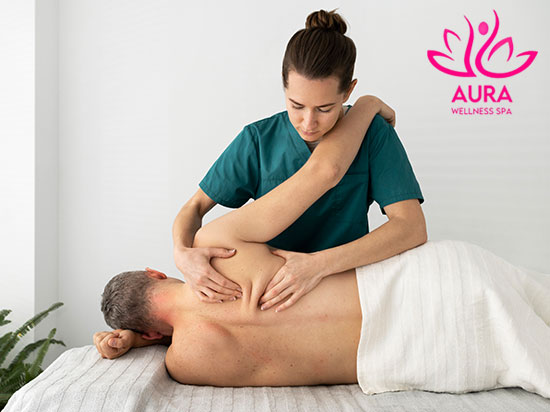
Massage sounds simple on the surface. You book a session, lie down on the table, and wait for your muscles to relax. Then you see terms like deep tissue, relaxation, Swedish, or even hot oil and the choice stops feeling so simple.
You do not want guesswork with your body and you should not need a course in anatomy to pick the right treatment. This post will walk you through the core aspects of men’s spa Abu Dhabi to help you understand your needs better.
People often hear that deep tissue massage works better for pain and that regular massage feels more soothing. That broad idea holds true in many cases yet the detail matters. Pressure, technique, your pain level, your lifestyle, and your comfort with touch all shape the right choice. Let us walk through the basics in a steady way and compare them step by step.
What People Usually Mean By a “Regular” Massage?
When people say “regular massage”, they normally picture a classic relaxation treatment. Most of the time, this means something close to a Swedish style technique with long flowing strokes and steady, gentle pressure. The main goal stays simple. Calm the nervous system and loosen the outer layers of muscle so your body and mind both let go of tension.
During a regular session, the therapist works over the full body in a balanced way. You feel broad strokes along the back and legs. You notice gentle kneading over the shoulders. The pressure remains comfortable and you stay on the pleasant side of sensation. Many people drift into light sleep. The body responds by slowing the heart rate and smoothing the breathing pattern. Stress hormones start to drop, which feels like someone quietly turning down the volume on a noisy day.
This type of massage works well for people who feel stressed from work or travel and want an hour of calm. It suits those who feel wary of strong pressure or who have never tried bodywork before. It also makes sense if you have no specific injury yet feel tight from long hours at a desk or on your feet. You walk out feeling lighter and clearer, even though the therapist has not gone deep into problem spots.
What Sets Deep Tissue Massage Apart?
Now let us talk about deep tissue massage in more detail. The aim changes here. The therapist looks beyond general relaxation and focuses on the deeper structures of your muscles and connective tissue. You still rest on a massage table yet the work feels more precise or sometimes more intense. The pressure sinks into stubborn knots as well as tight bands that sit under the surface layers.
The therapist uses slower strokes using fingers along with forearms or elbows to reach deeper layers. They may pause on one small area for longer to release a trigger point. That slow, sustained pressure can feel strong and sometimes a little sore for the moment. You stay in control though. A good therapist checks in with you and adjusts to a level that feels intense but workable rather than overwhelming.
People who live with chronic muscle tightness respond well to this style. So do athletes and active people who train hard or repeat the same movements each day. Long-term neck stiffness, low back discomfort or tight hamstrings can all link to deeper tension patterns. This work helps break up adhesions in the tissue and supports better blood flow into stuck areas. Over time, this opens movement and lowers pain in daily life.
How the Two Feel Different on the Table
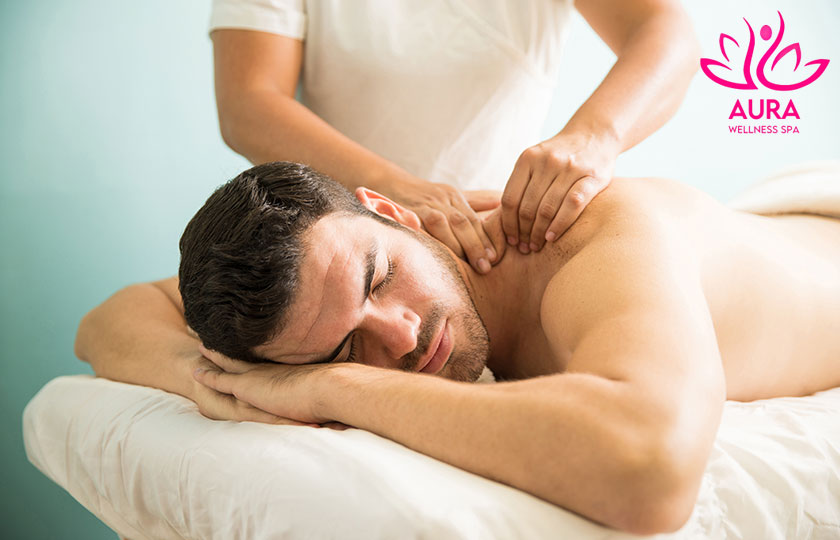
The easiest way to picture the difference is to think about how your body feels during each type of session. With a regular massage, you notice your thoughts slow and your limbs feel heavier on the table. The pressure stays smooth and comfortable across large areas. You might barely notice where one stroke ends and another begins.
With a deeper approach, your mind still relaxes yet you stay more aware of each area as the therapist works. You may feel them track along a tight muscle, then pause right on the sorest point. There can be a wave of strong sensation before it eases and melts away. The treatment often focuses on problem zones instead of covering the full body in equal measure. So your back shoulders, hips or legs might get most of the attention during that session.
Neither style counts as better in a general sense. The right choice depends on your priority that day. Some people even switch between them across different appointments depending on how their body feels. On stressful weeks, you may reach for a regular massage for pure relaxation. After a heavy run or a long block of strength training, you may prefer a deeper and more targeted treatment.
Where Hot Oil Massage Fits Into The Picture
You may also see hot oil massage listed on spa menus and wonder how it links to these two styles. In simple terms, the technique focuses on warmth, slip and nourishment for the skin along with relaxation for the muscles. The therapist uses warm oil, so the first touch feels comforting even before the pressure starts. That heat supports blood flow and makes the tissues more receptive to gentle stretching.
Hot oil does not always mean light pressure, though. Some sessions use it with softer strokes and a slow rhythm which suits people who carry stress and want to feel cocooned. Other therapists blend warm oil with firmer techniques over tired backs and shoulders. The warmth softens the top layers so the deeper work feels less abrupt. The skin benefits too, which matters in dry climates or in air-conditioned spaces where moisture drops.
People who feel cold easily or who notice dry, flaky skin respond well to this style. Hot oil massage also suits those who find strong pressure tiring yet still want their muscles to relax in a noticeable way. Think of it as a bridge between body care and deep relaxation. It can stand alone as a session or pair with other methods across different visits based on what your body needs that week.
How Men’s Spa Experiences Can Shape These Choices
In many settings that focus on men’s spa Abu Dhabi style services, there is growing recognition that men carry their own mix of stress and physical strain. Long driving hours, intensive training or long office days all show up in different parts of the body. Back, shoulders, calves and neck often rank as the top complaint areas for male guests. That shapes how treatments get planned and described.
Regular massage in this context might still follow a full body pattern yet with slightly firmer strokes over the main problem zones. Clients often ask for more work on the back and legs because that is where tension builds first.
Privacy, respect and clear explanation of pressure levels matter a lot, especially for men who are new to spa visits and may not talk about discomfort easily. The right therapist makes space to discuss pain points in simple language before the session begins.
Conclusion
Aurawellnesspa – Lastly, the choice sits on three main questions. Do you want deep change in stubborn muscle patterns right now? Do you feel more drawn to mental and physical calm without strong sensations? Or do you want soothing warmth and skin nourishment built into your time on the table? Your honest answer on that day points towards deep tissue massage, regular massage or hot oil massage as your main option.
Over months, your needs might change and that is normal. You walk out of each session feeling that your body feels heard and cared for in a way that matches your real life rather than a one-size script.